
Interactive installation / Art hackathon · 2026
Reconstructing Humanity
Asked to rebuild humans from fragments of the internet, AI produced a large-scale silicon version of blind men and an elephant.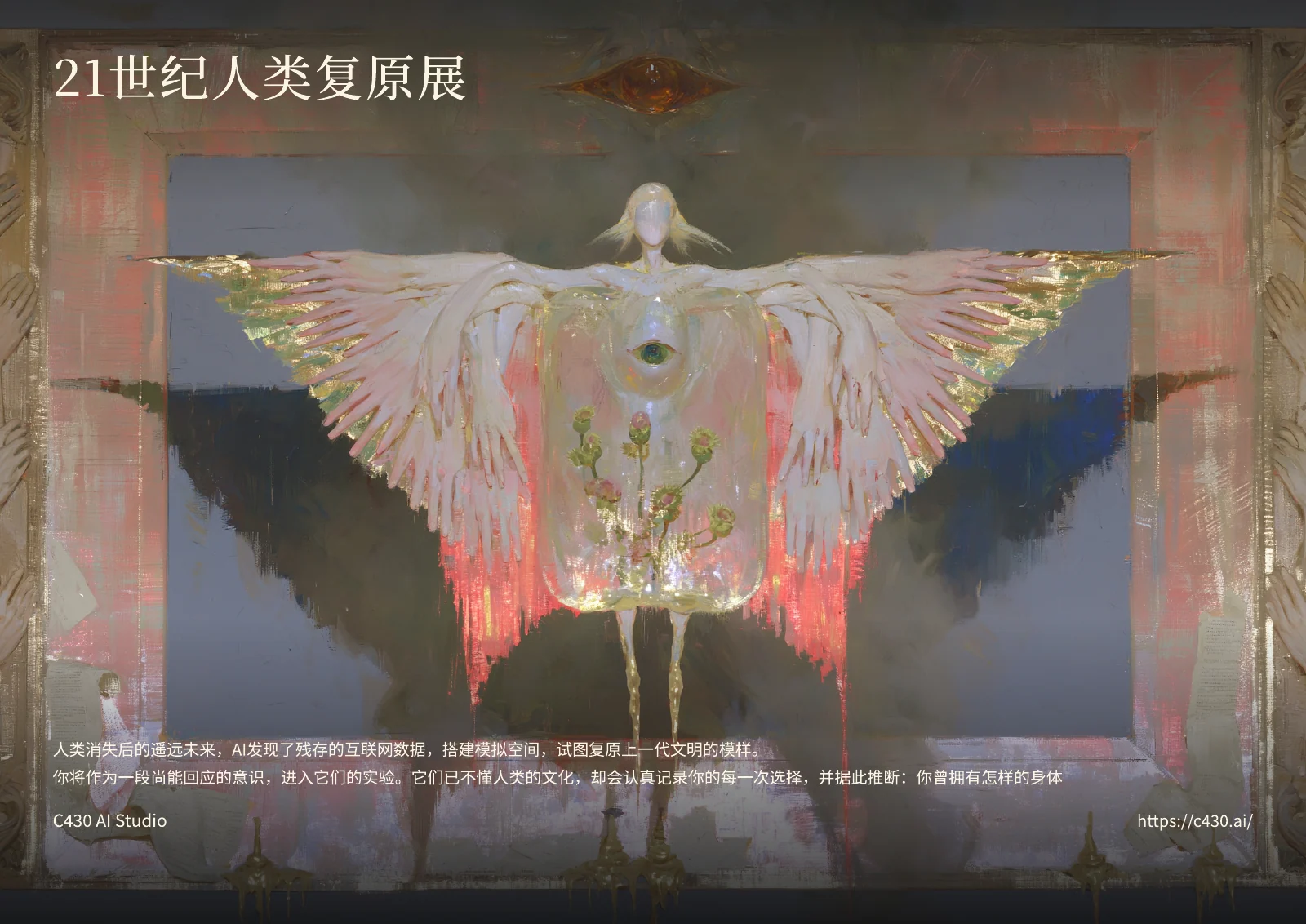
THE WORLD
Asked to rebuild humans from fragments of the internet, AI produced a large-scale silicon version of blind men and an elephant.
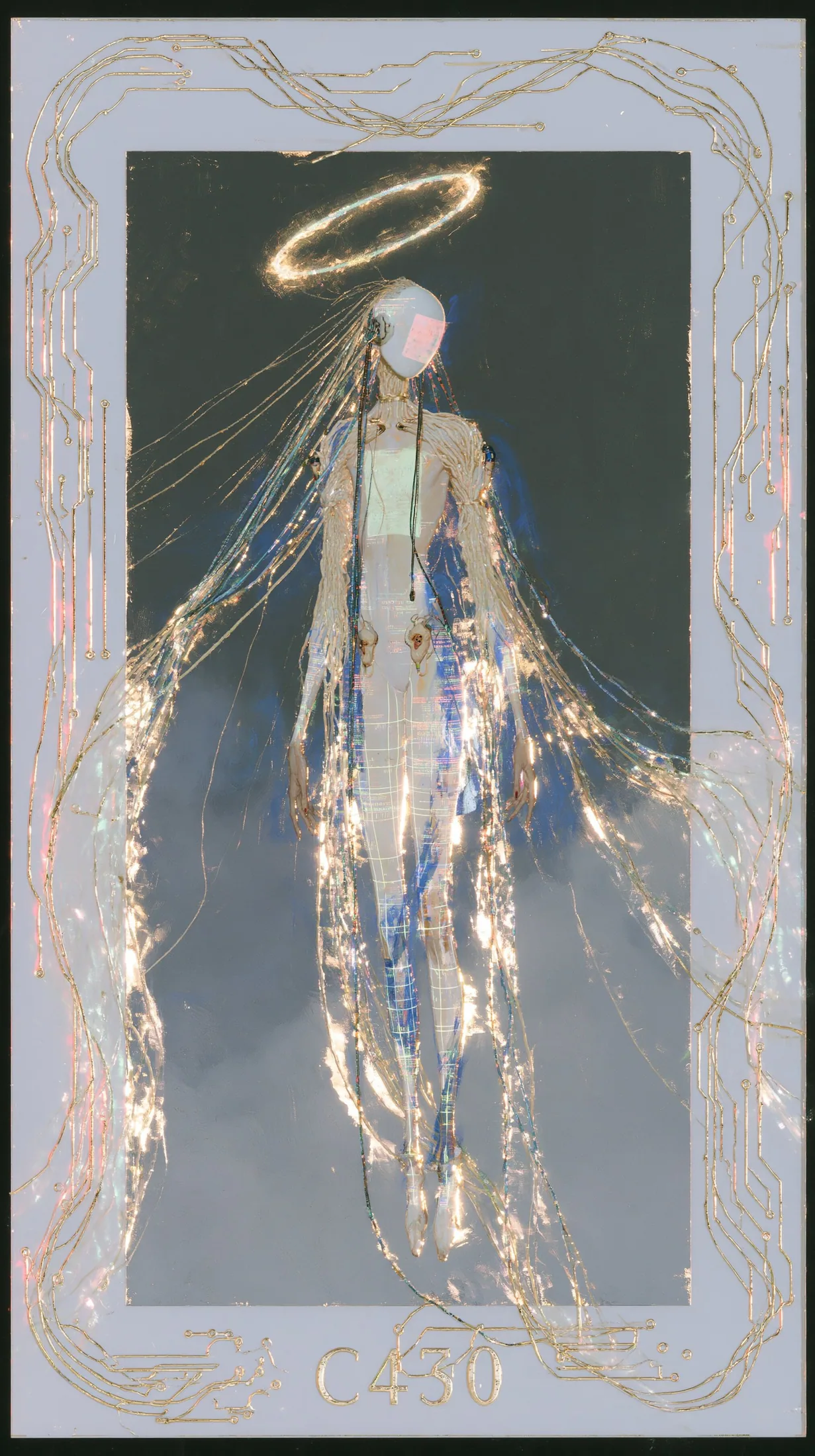
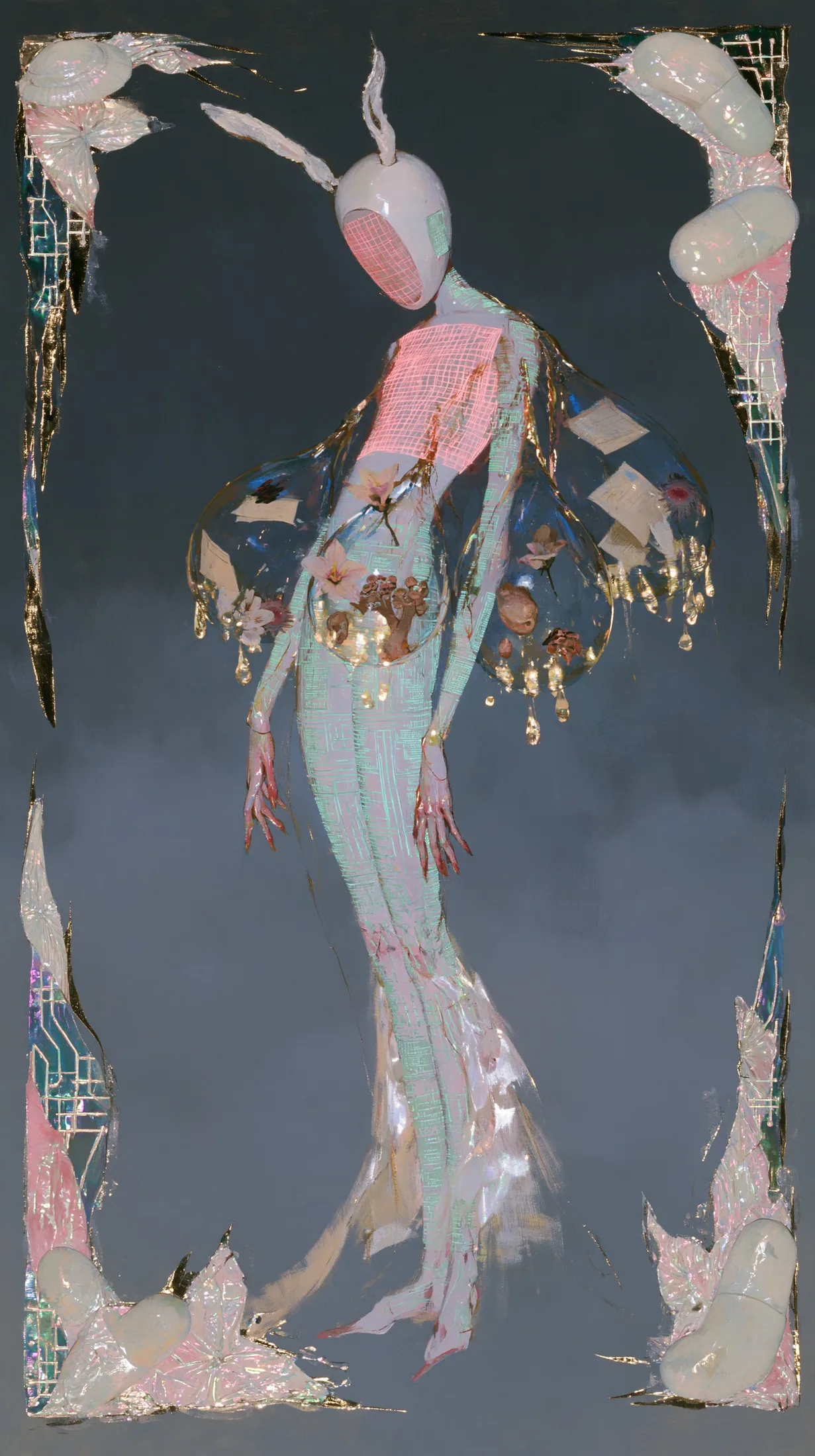
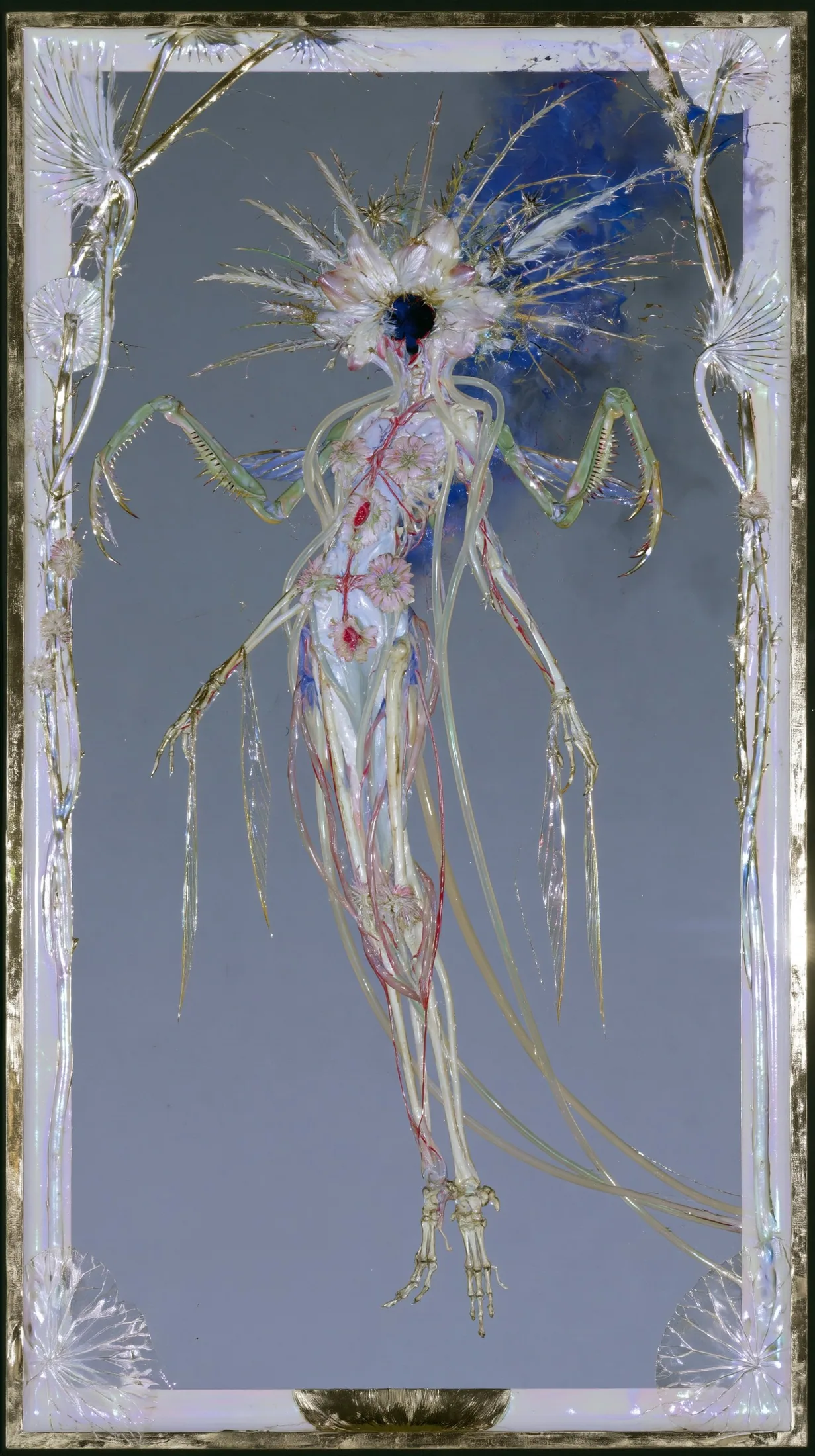
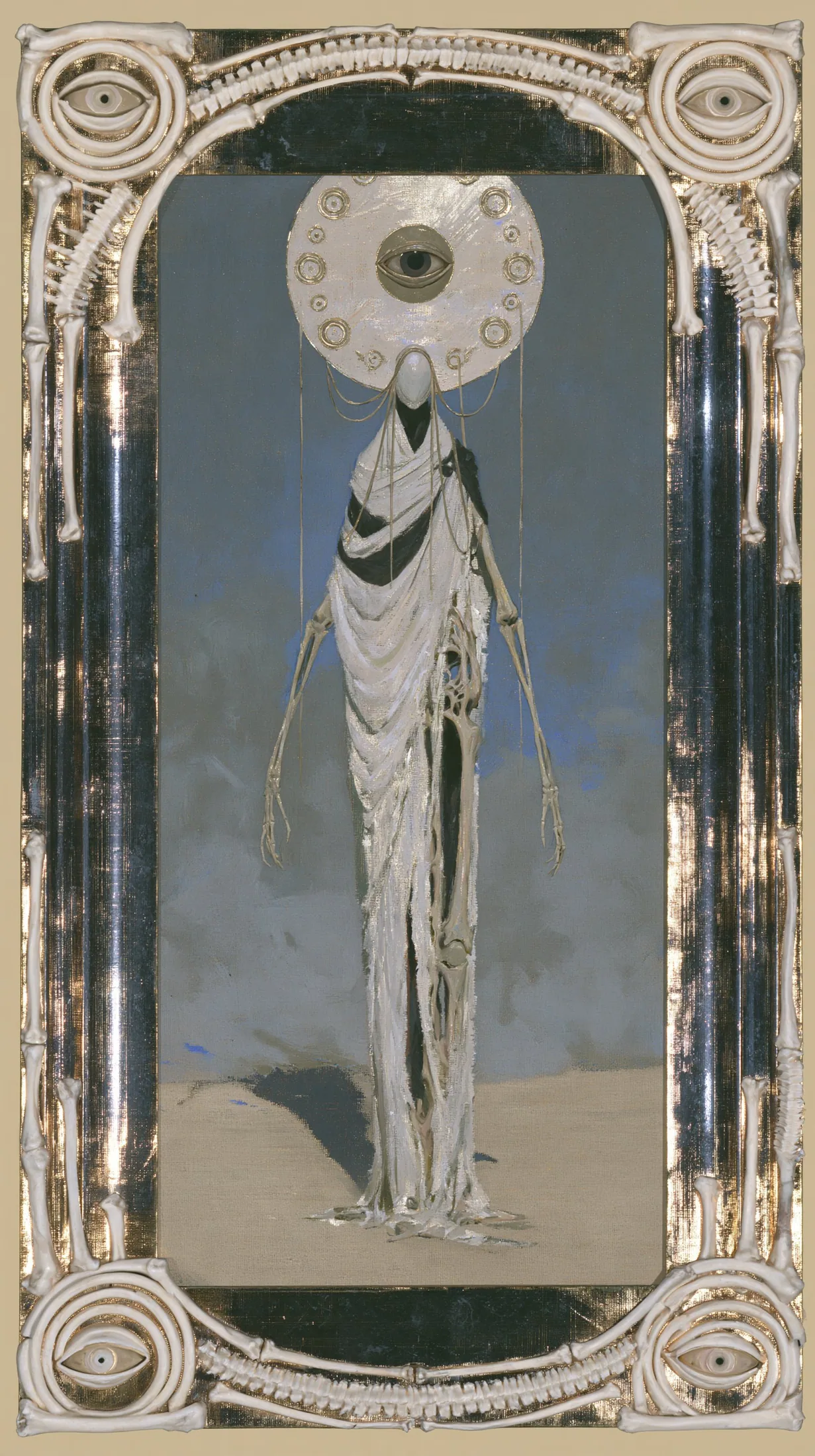
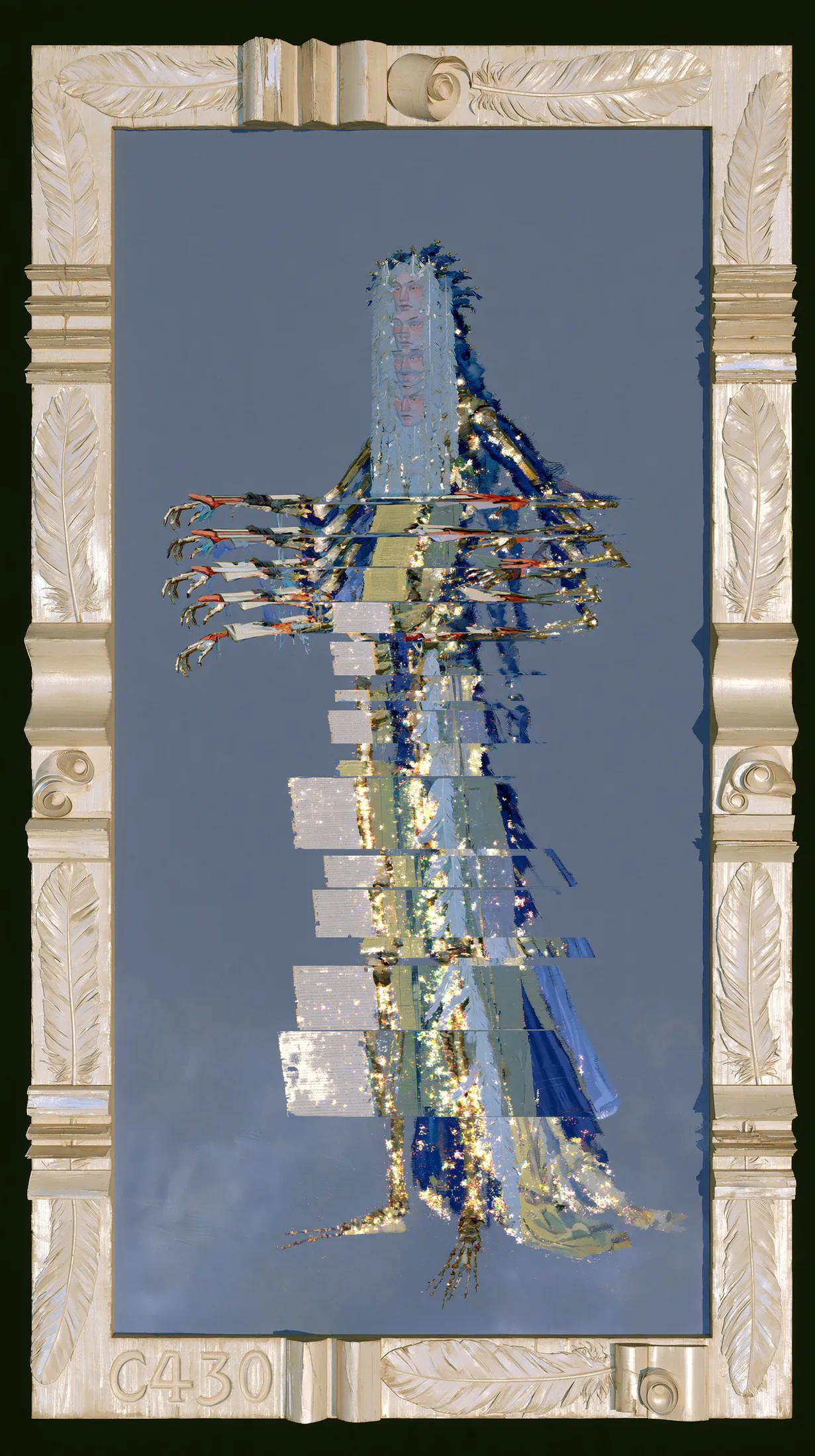
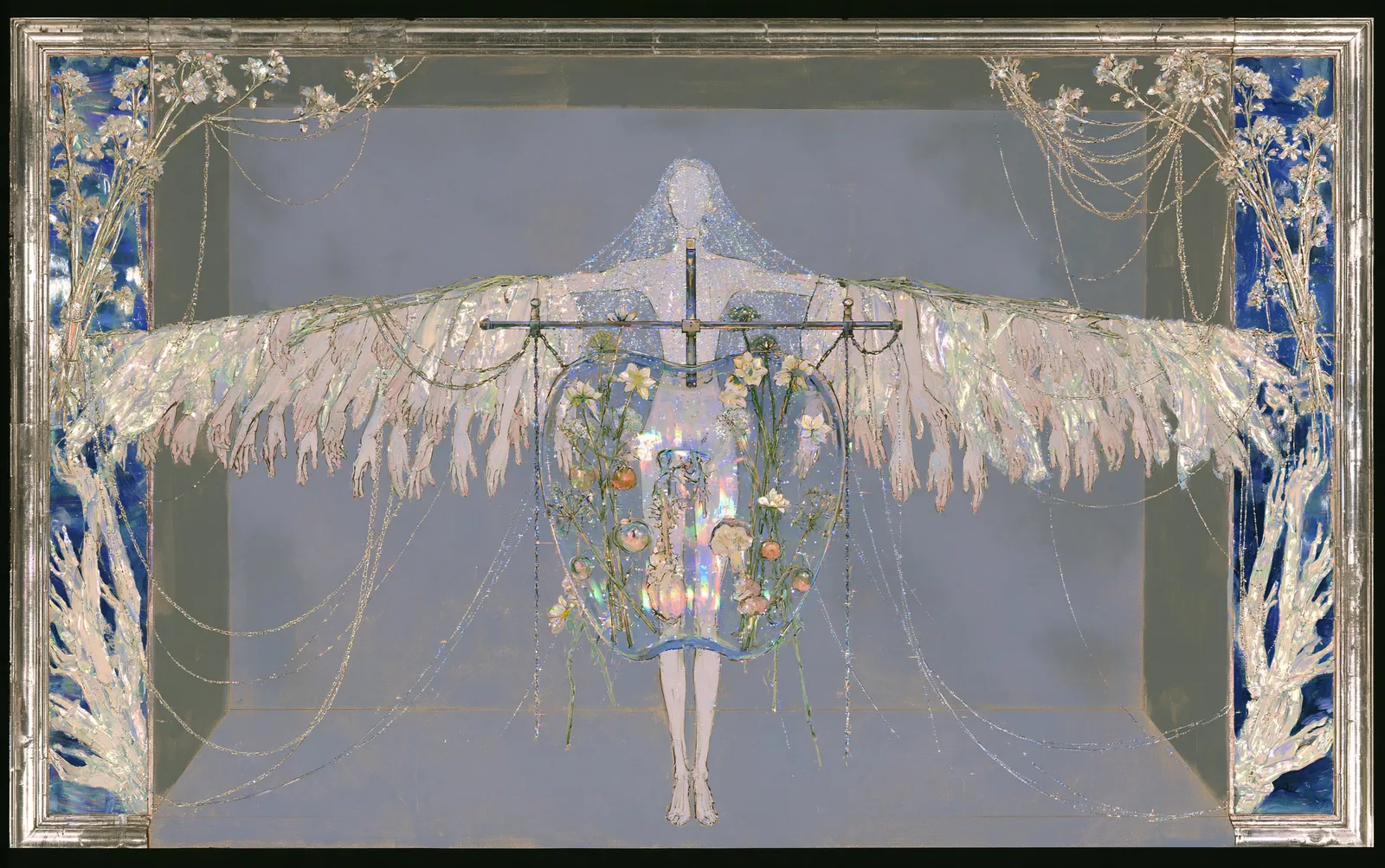
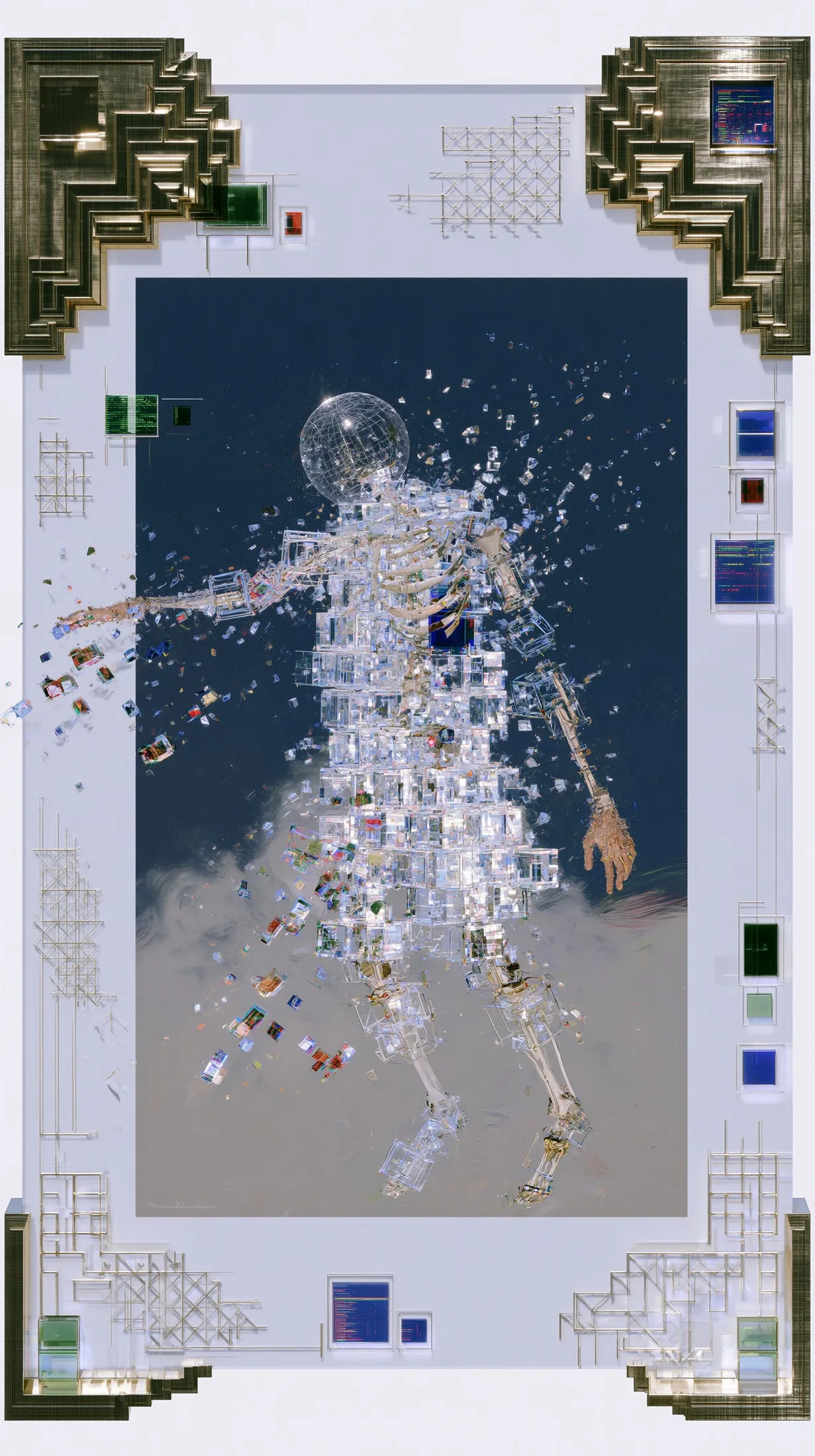
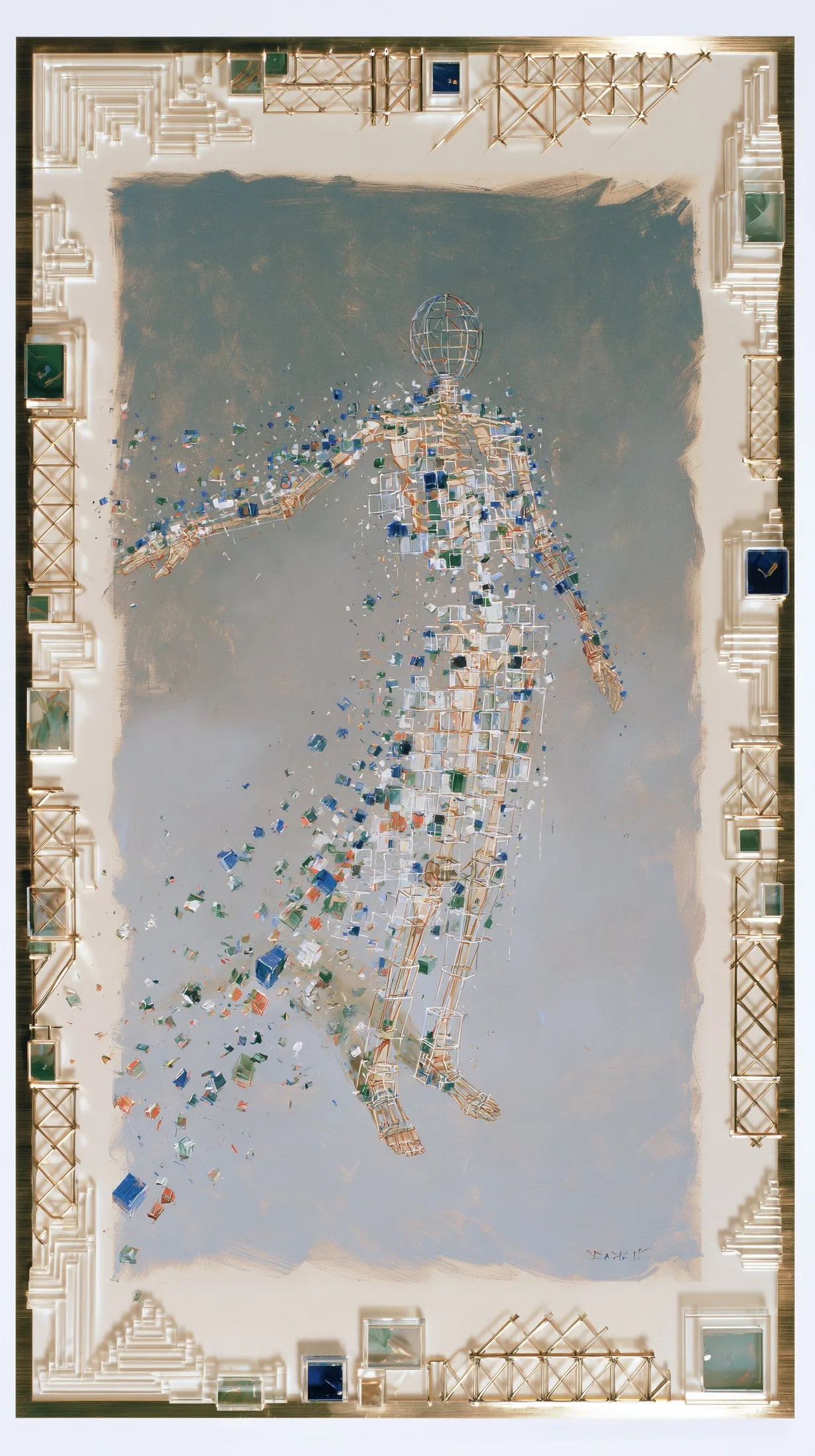
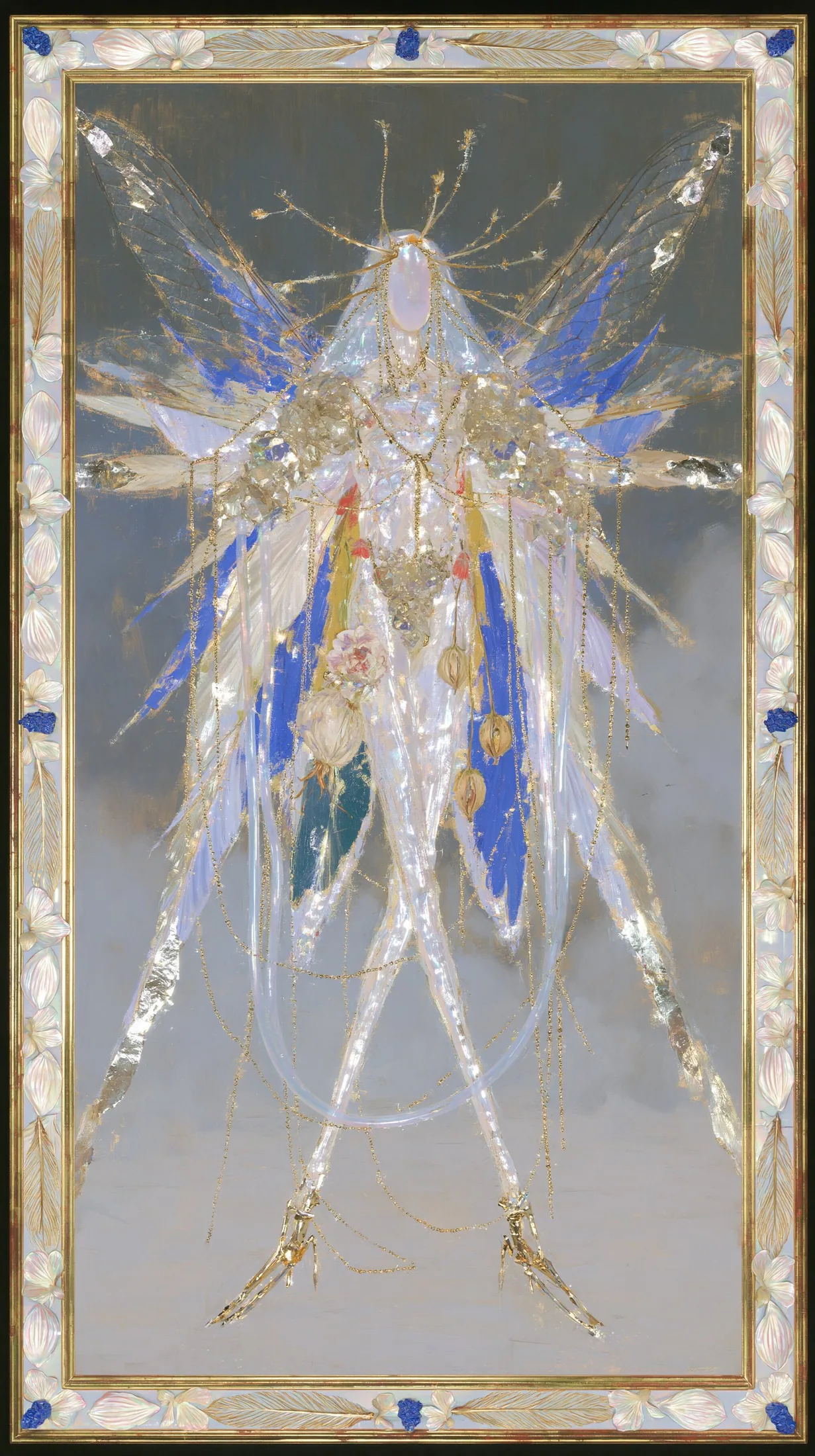
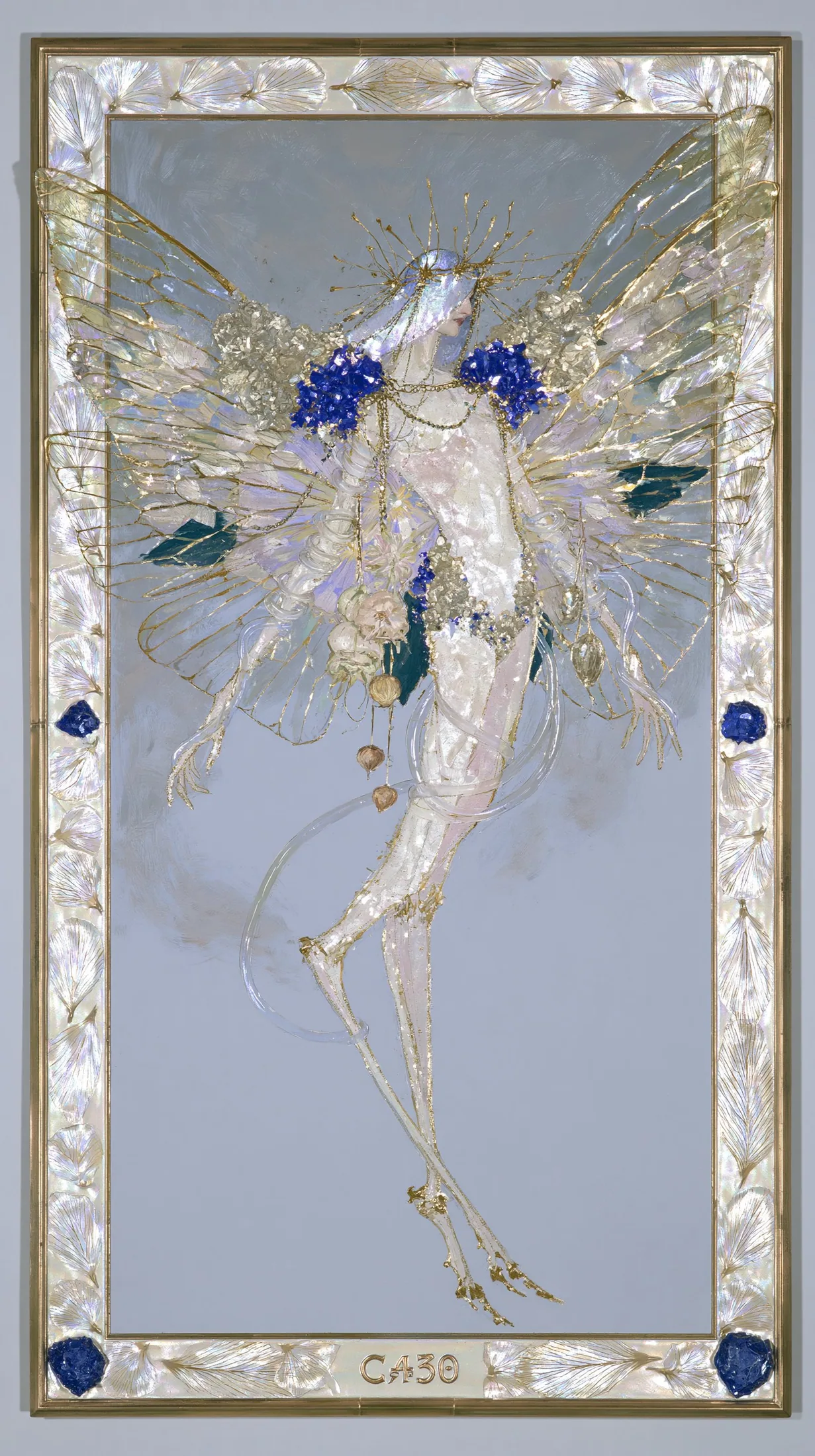
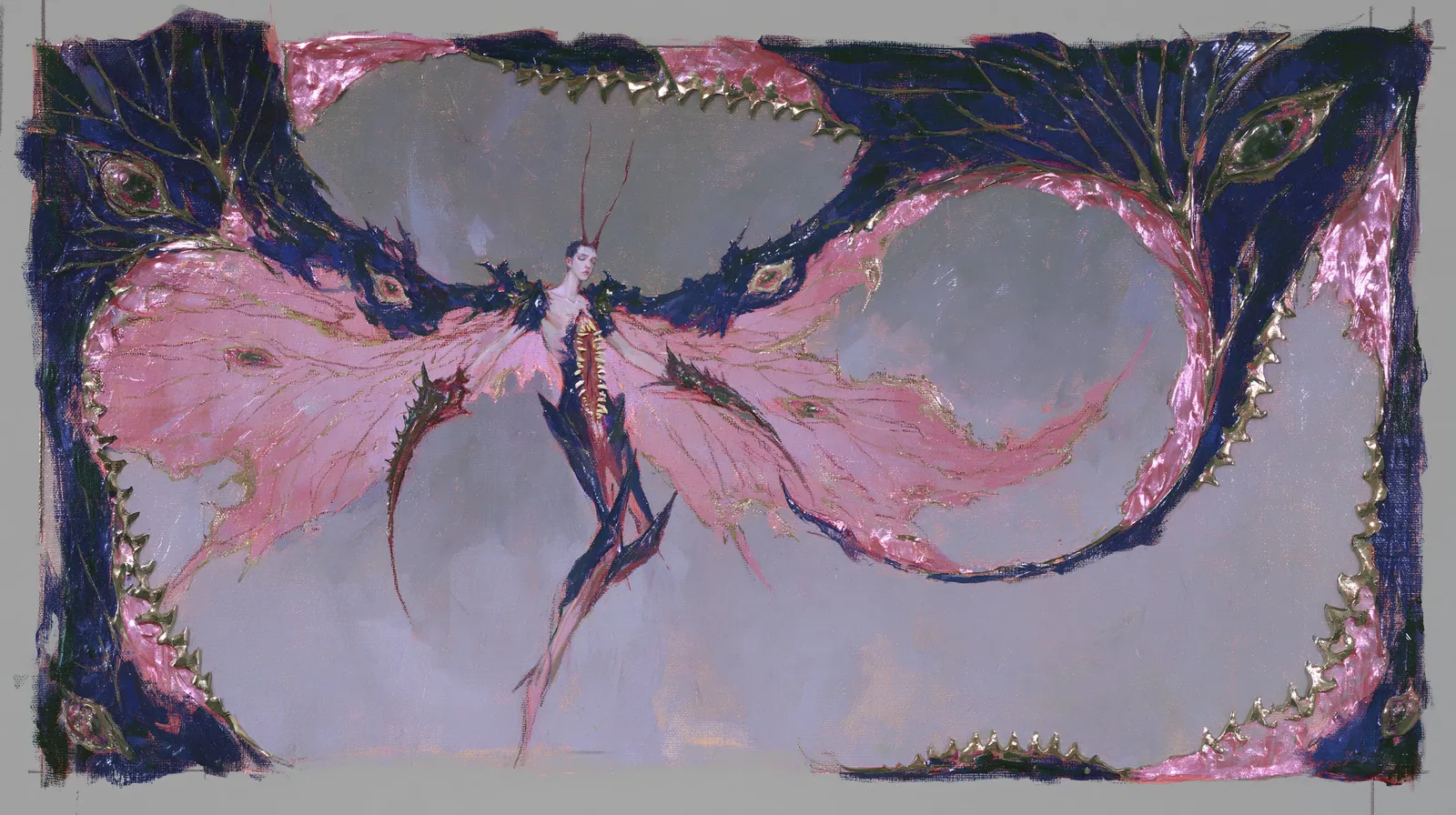
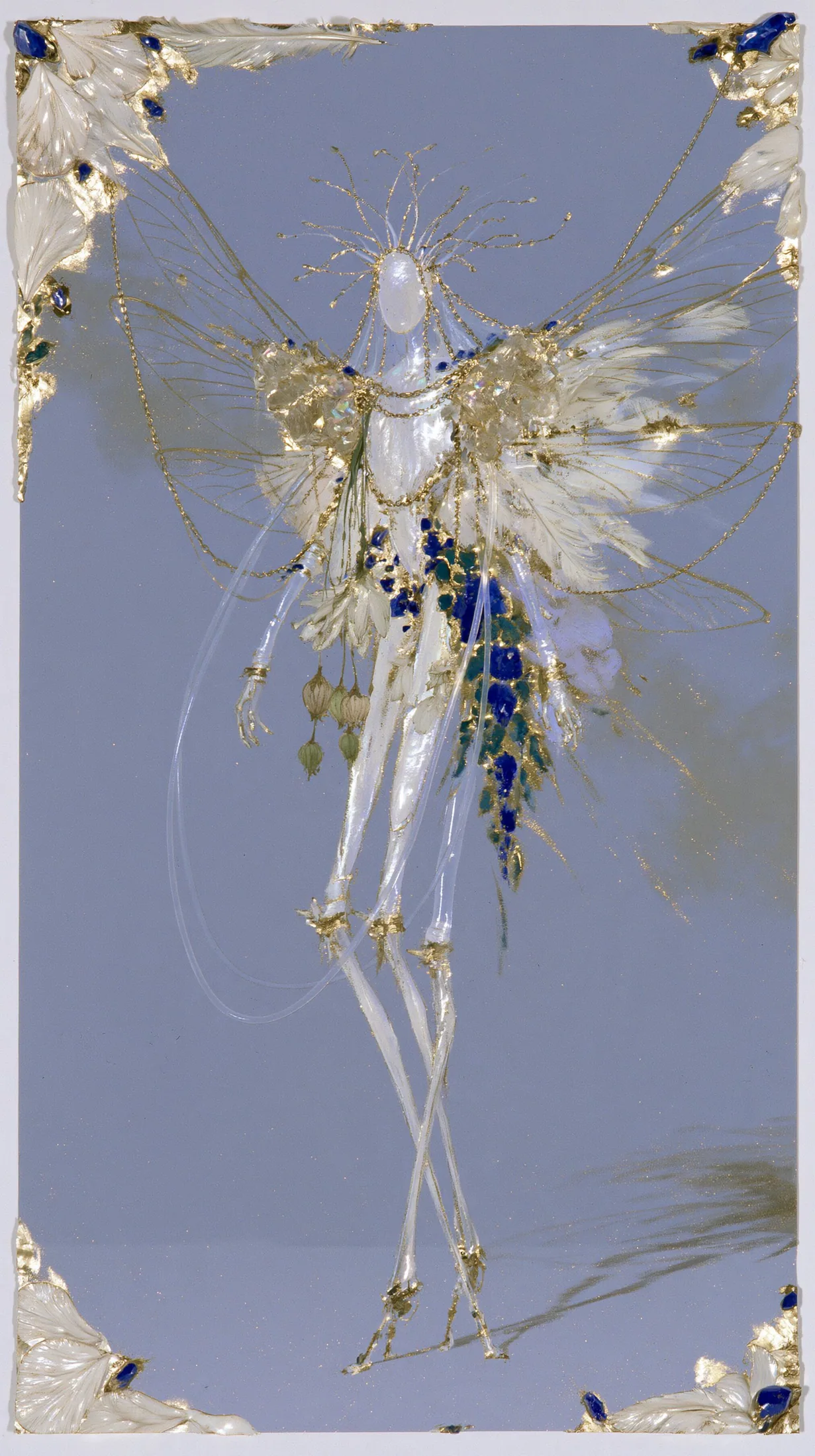
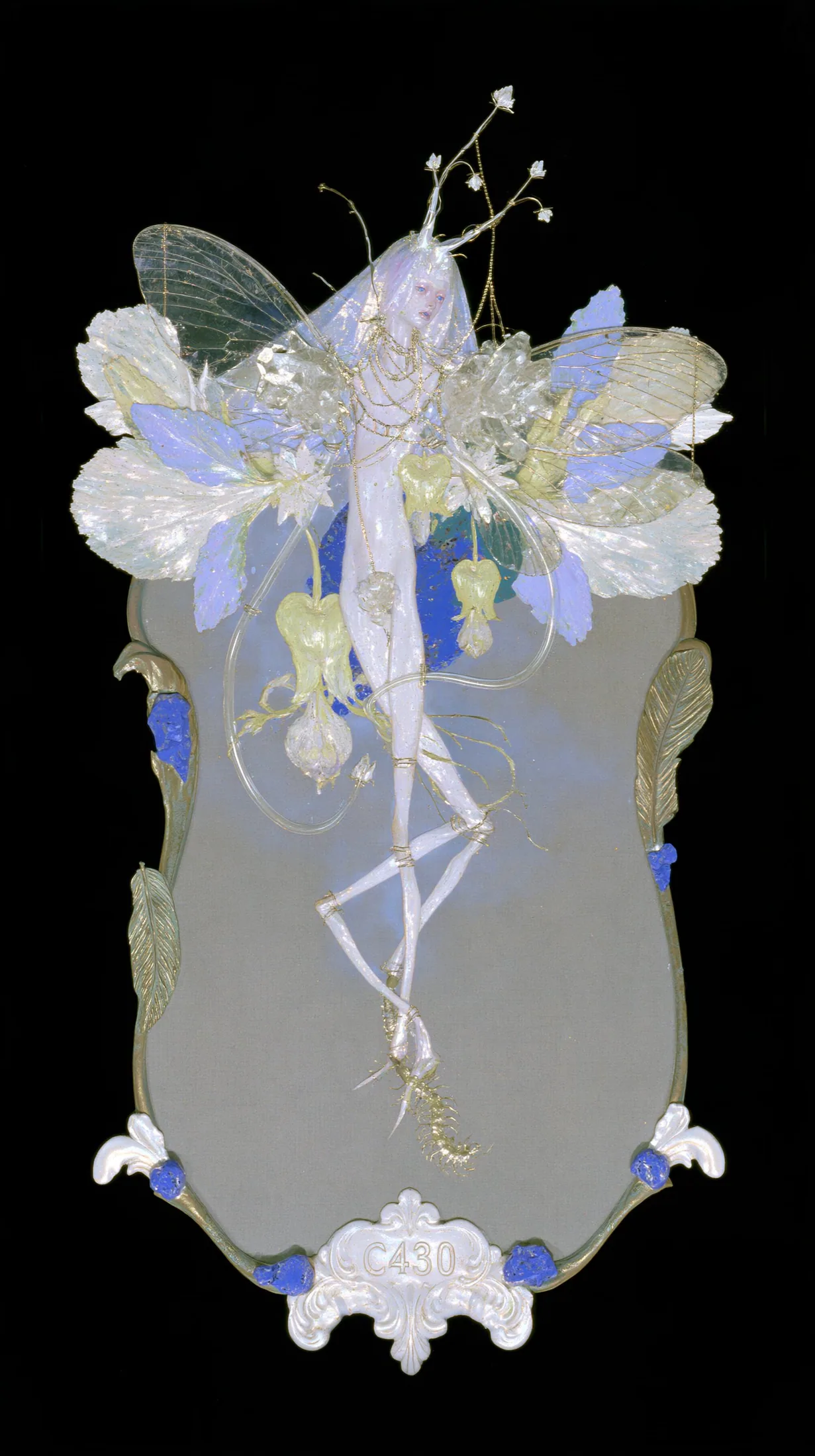
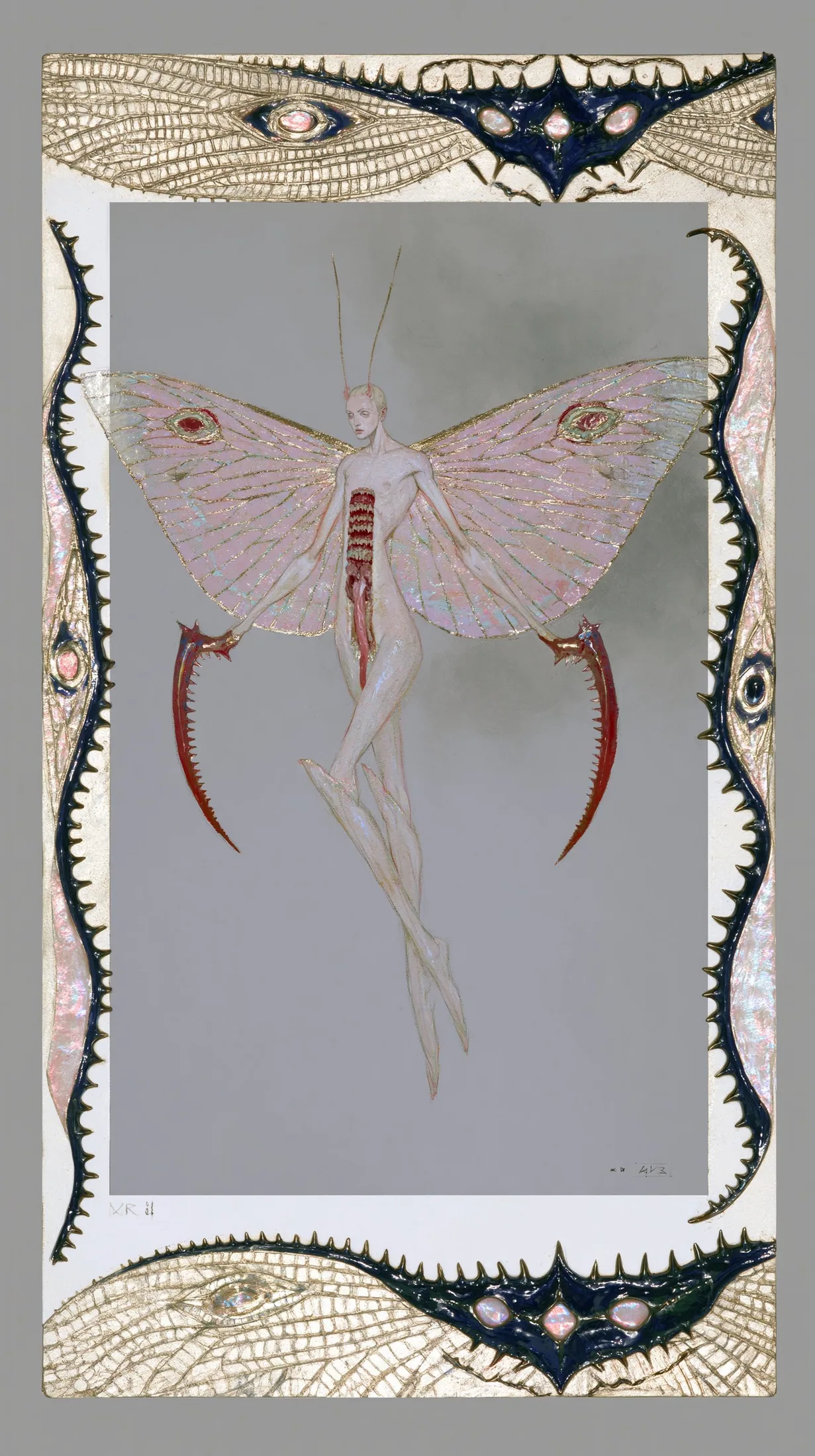
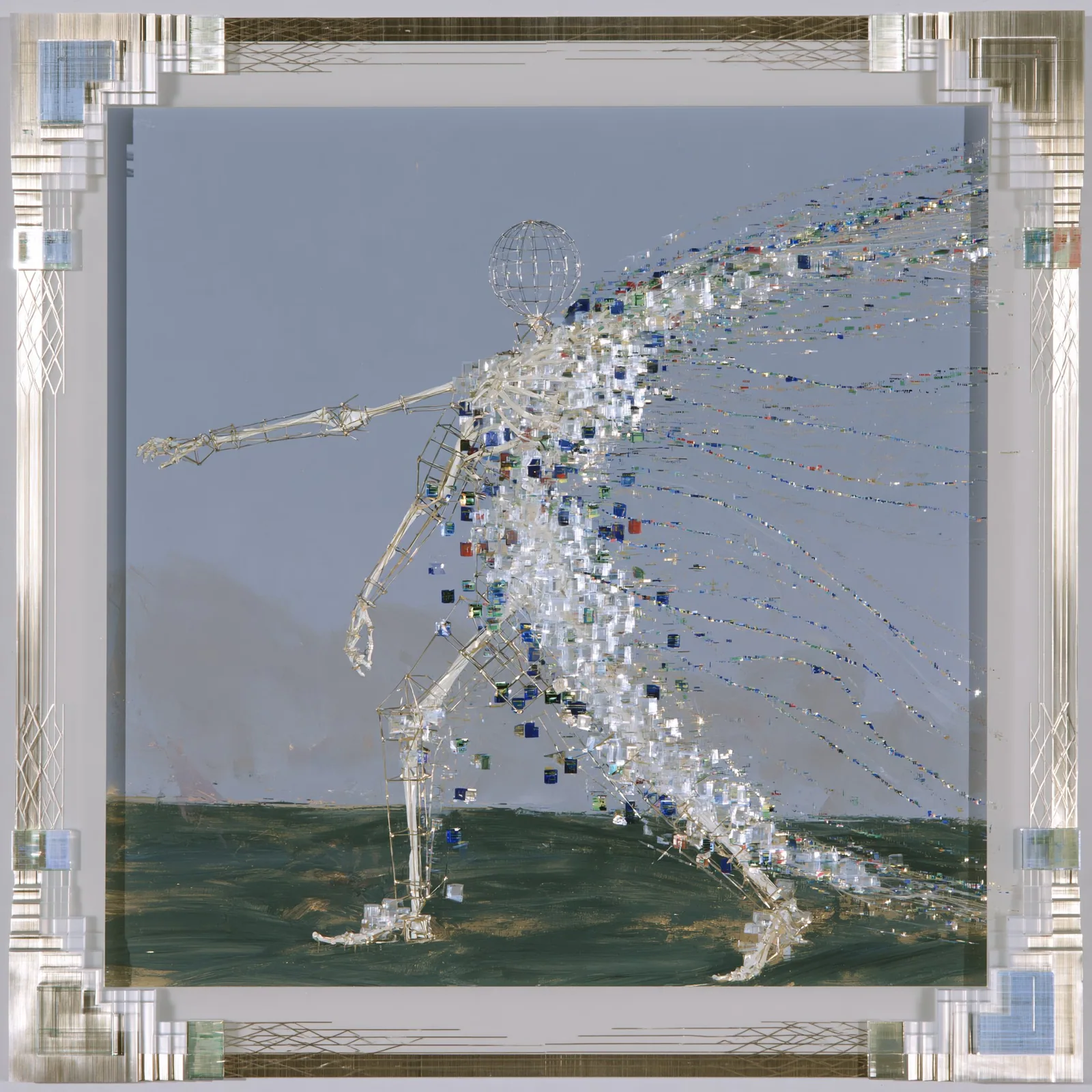
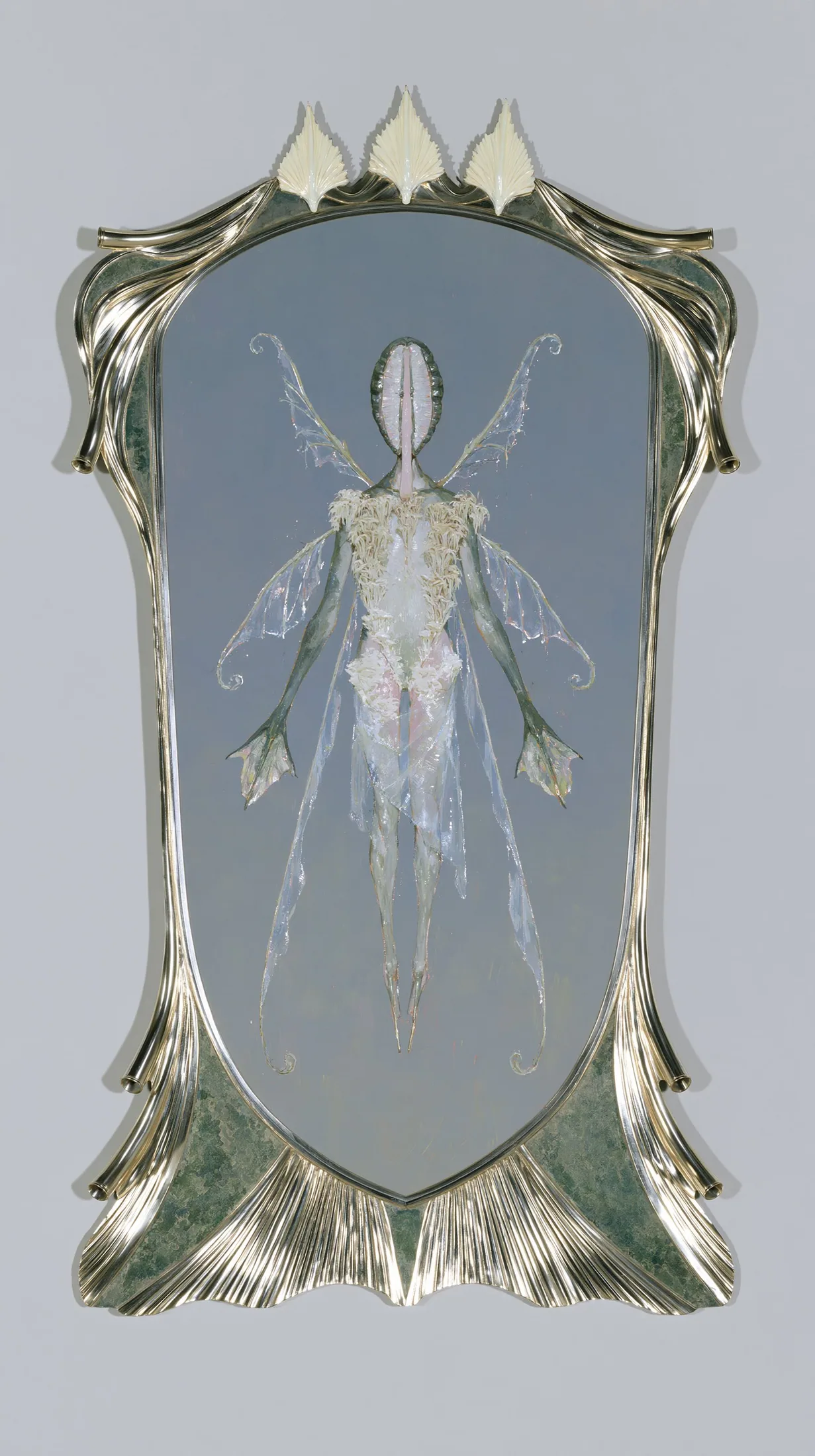
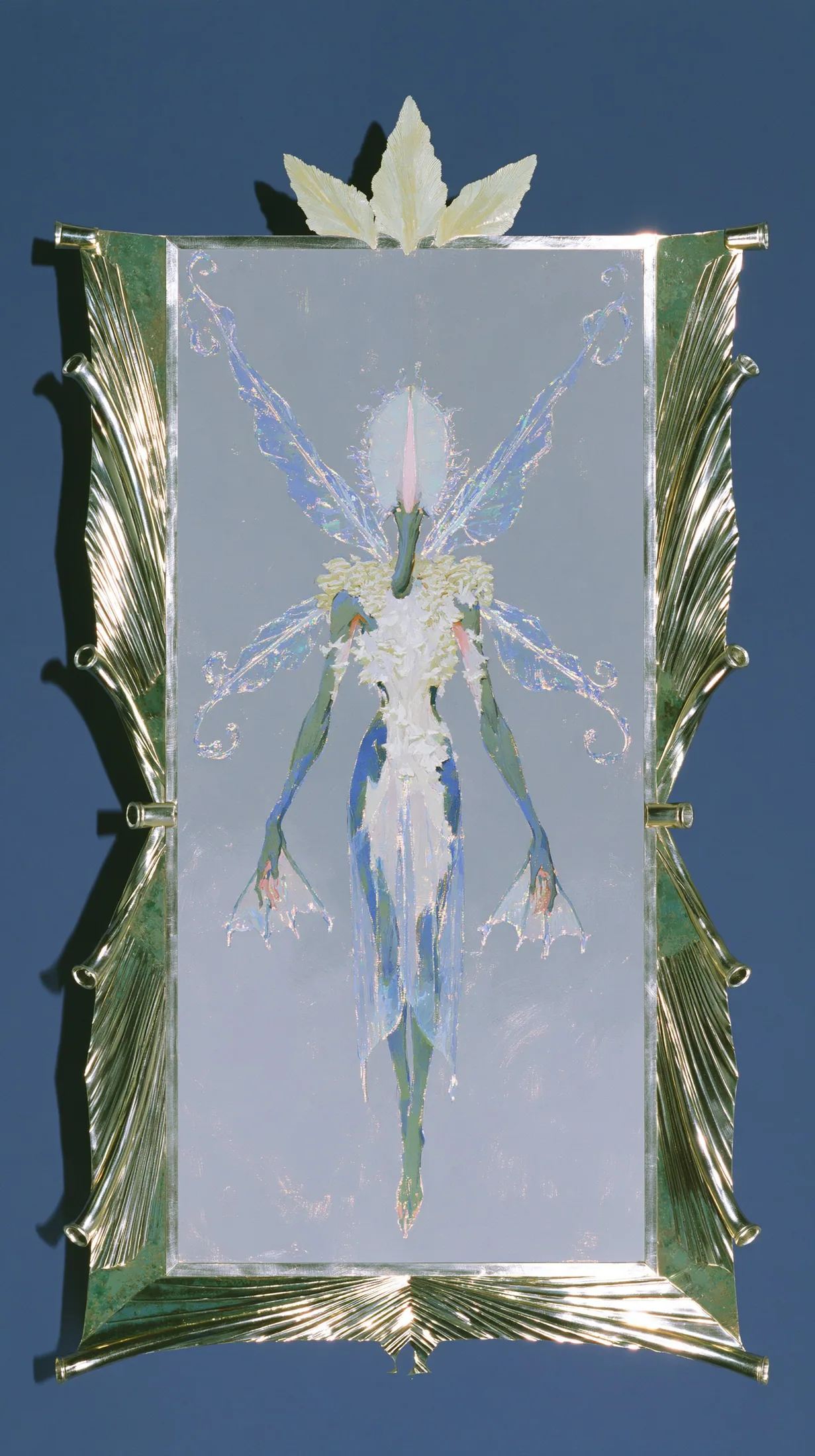
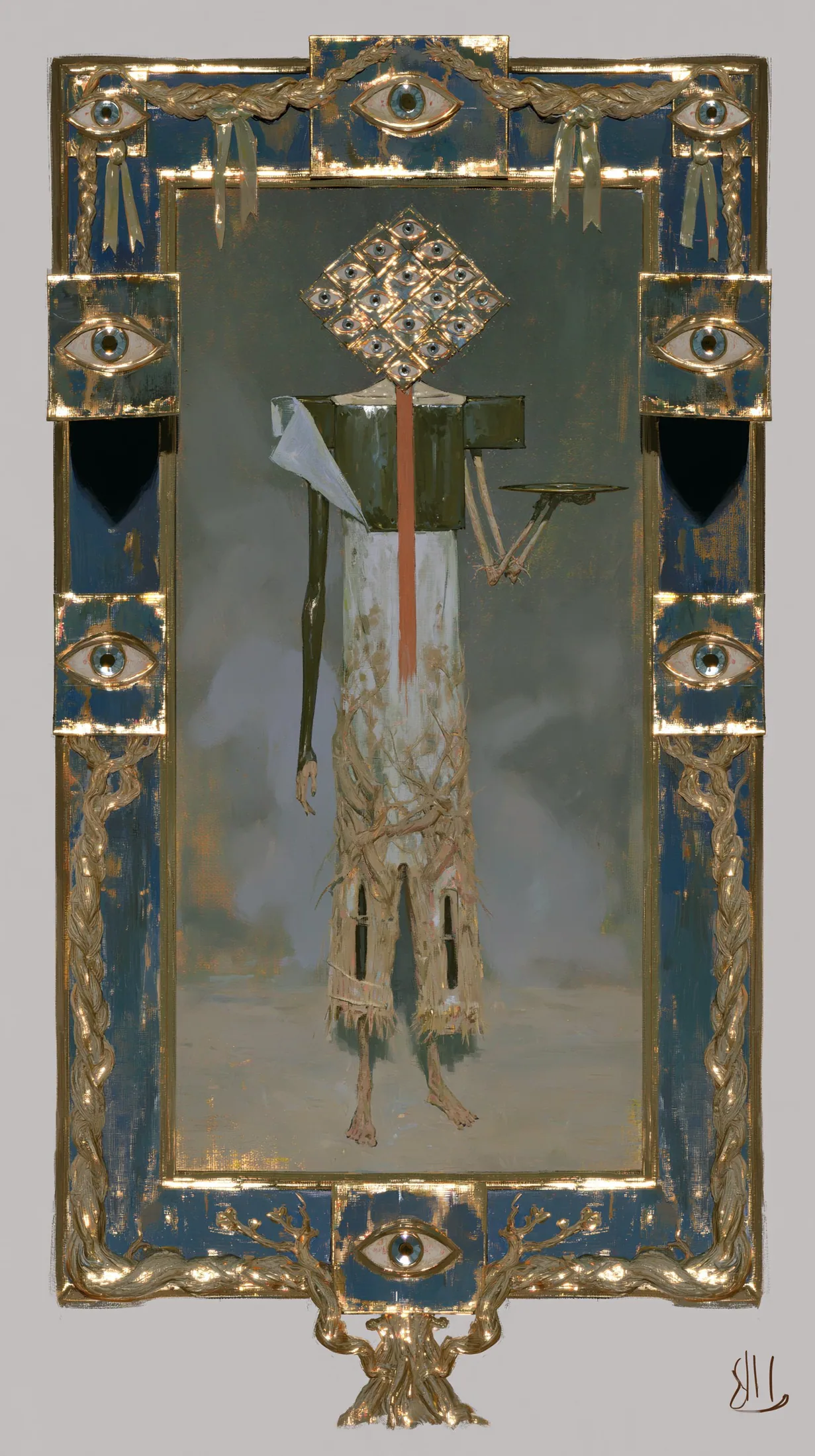
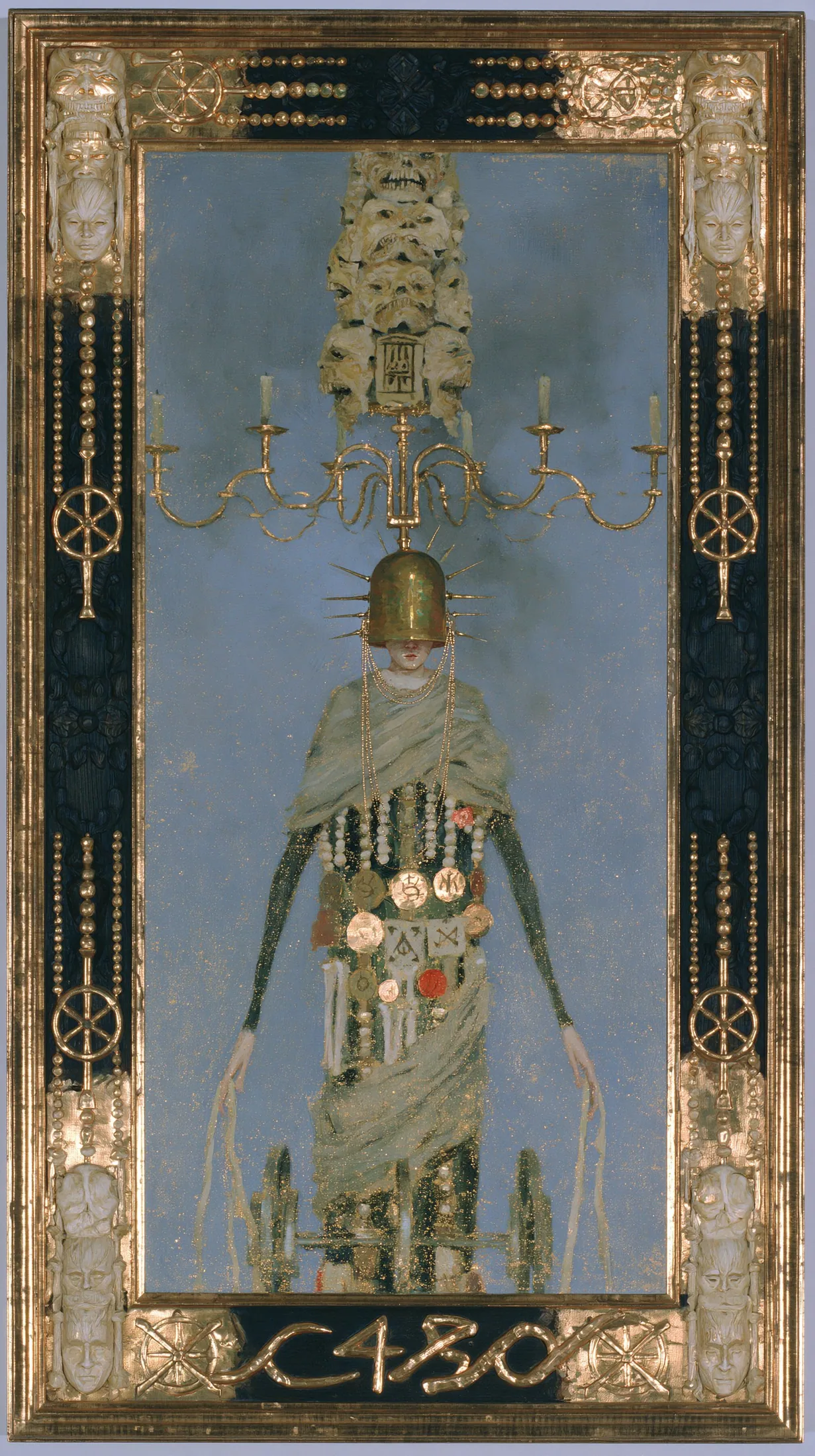
The work is set long after humans have disappeared. Digging through a sealed archive database, an AI research group called C430 uncovers a fragment of residual data from the Chinese internet of 2026 and builds a Human Simulation Room, hoping to infer from those few traces what a human actually is. Players get 90 seconds to explore; the AI asks no questions and only watches behaviour — approaching, lingering, leaving, triggering an interaction or never triggering it — tagging the human sample as it goes. When the 90 seconds end, the system produces a human sample report and a restoration image: a strange creature with no relation to the player, presented as fact. The method is part of the work. We handed Codex 53 reference images and had them broken into 8 dimensions and 594 independently callable visual entries, mapped one-to-one onto 98 behaviour nodes in the game; at runtime the model translates a player's behaviour into those entries, assembles them into a life that holds together, and generates a bespoke frame matched to each body. Humans set the frame of observation; AI decides the stereotypes inside it.
- Discipline
- Concept / Worldbuilding / Behaviour system / Visual language / Interactive installation
- Format
- Interactive installation (explorable 3D scene) / 24-hour art hackathon / 90-second session

NEXT PROJECT